By Editorial Hunter House · 27 September 2026
Growth came with the railways and the industry of the neighbouring districts, Lapa and Barra Funda. The floodplain areas brought frequent flooding, a challenge that shaped how the area was settled for decades before today's infrastructure.
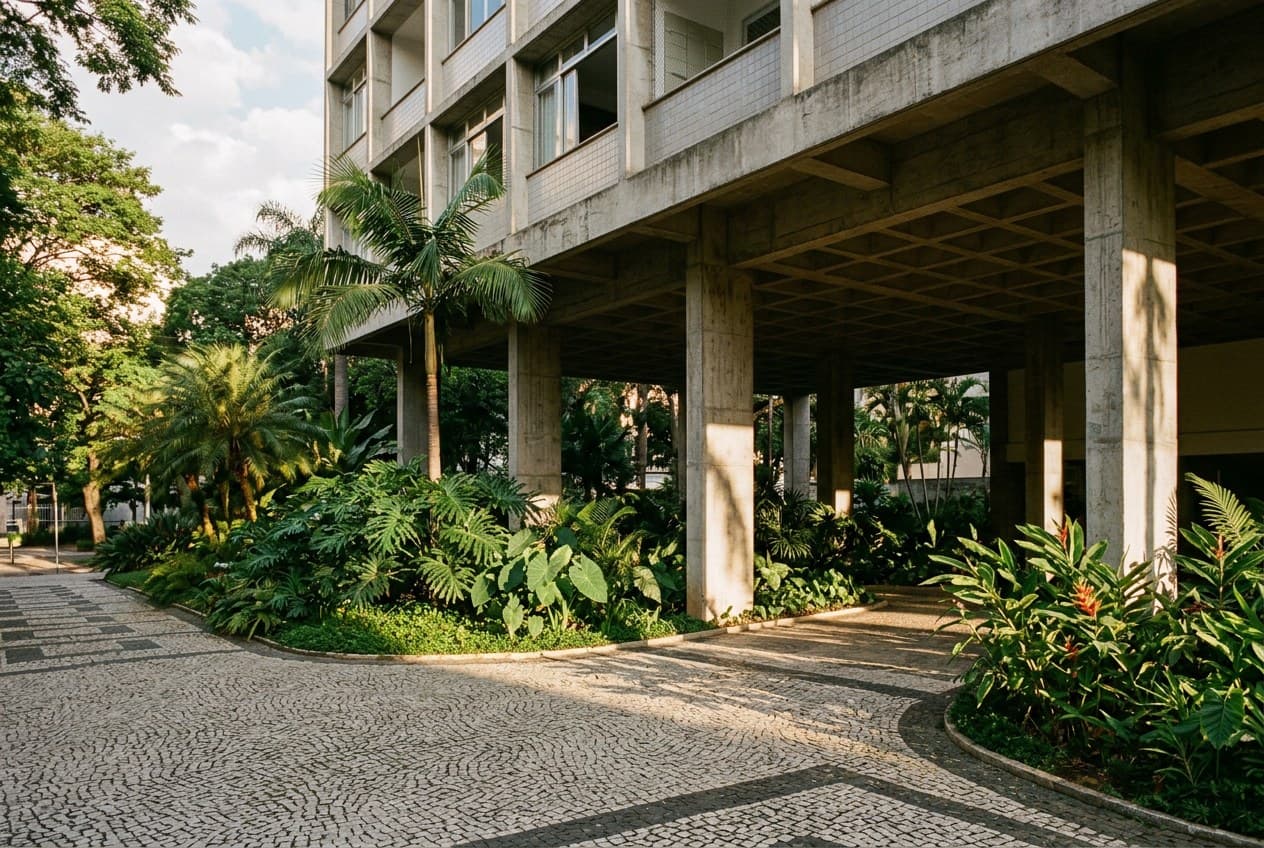
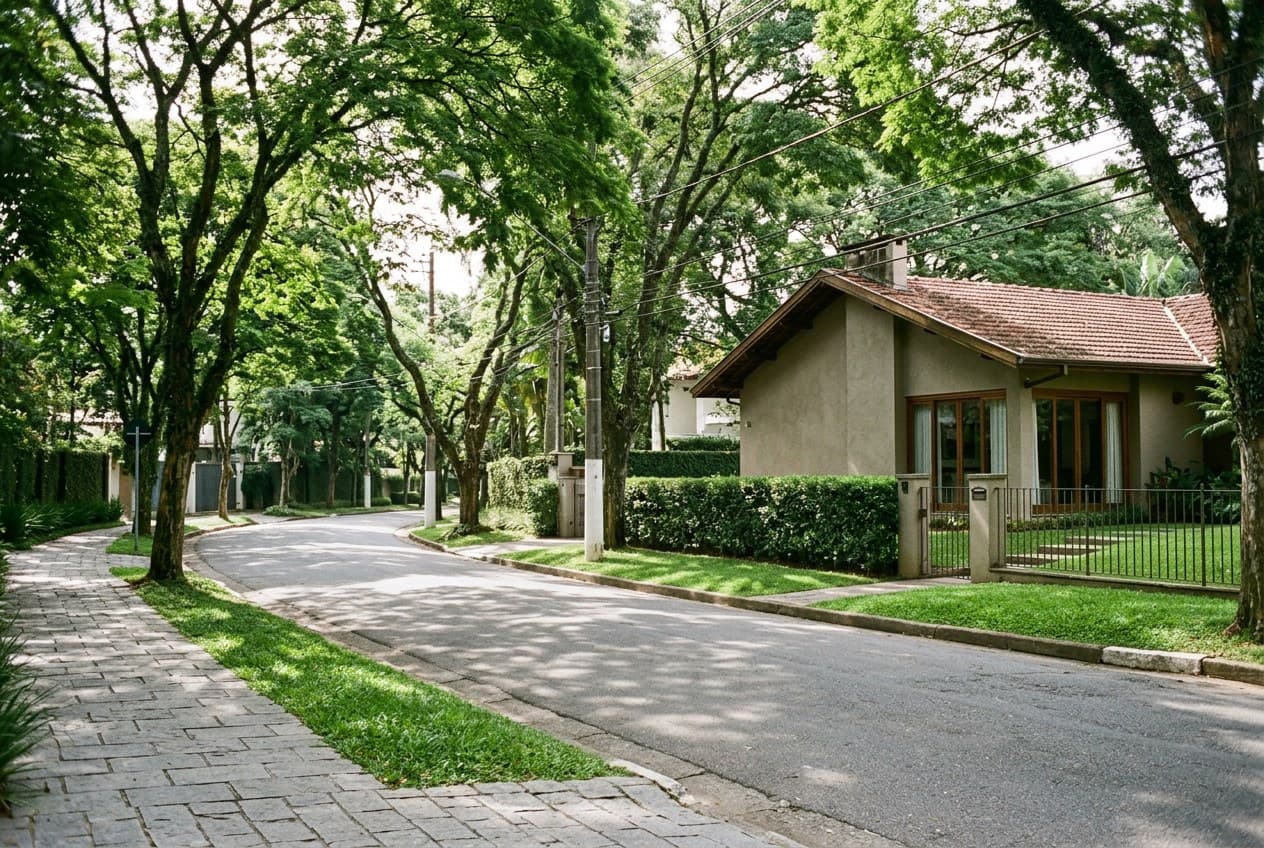
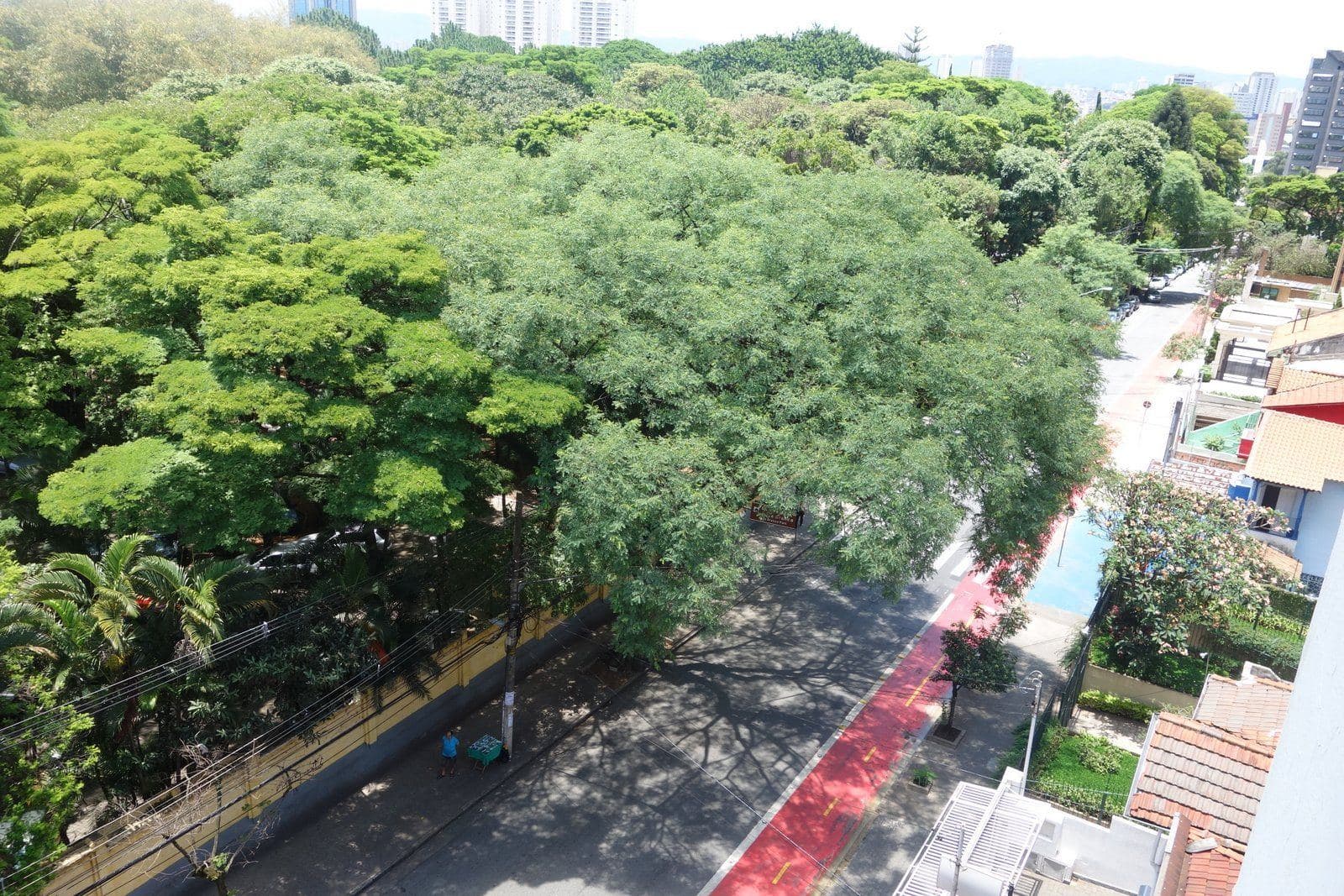
Today Perdizes carries a Zone A classification from Creci-SP, a recognition that accompanies the neighbourhood's sustained appreciation. Its tree-lined streets remain the feature most mentioned by those who already live there: blocks of houses and buildings that coexist with local shops and squares that invite a walk.
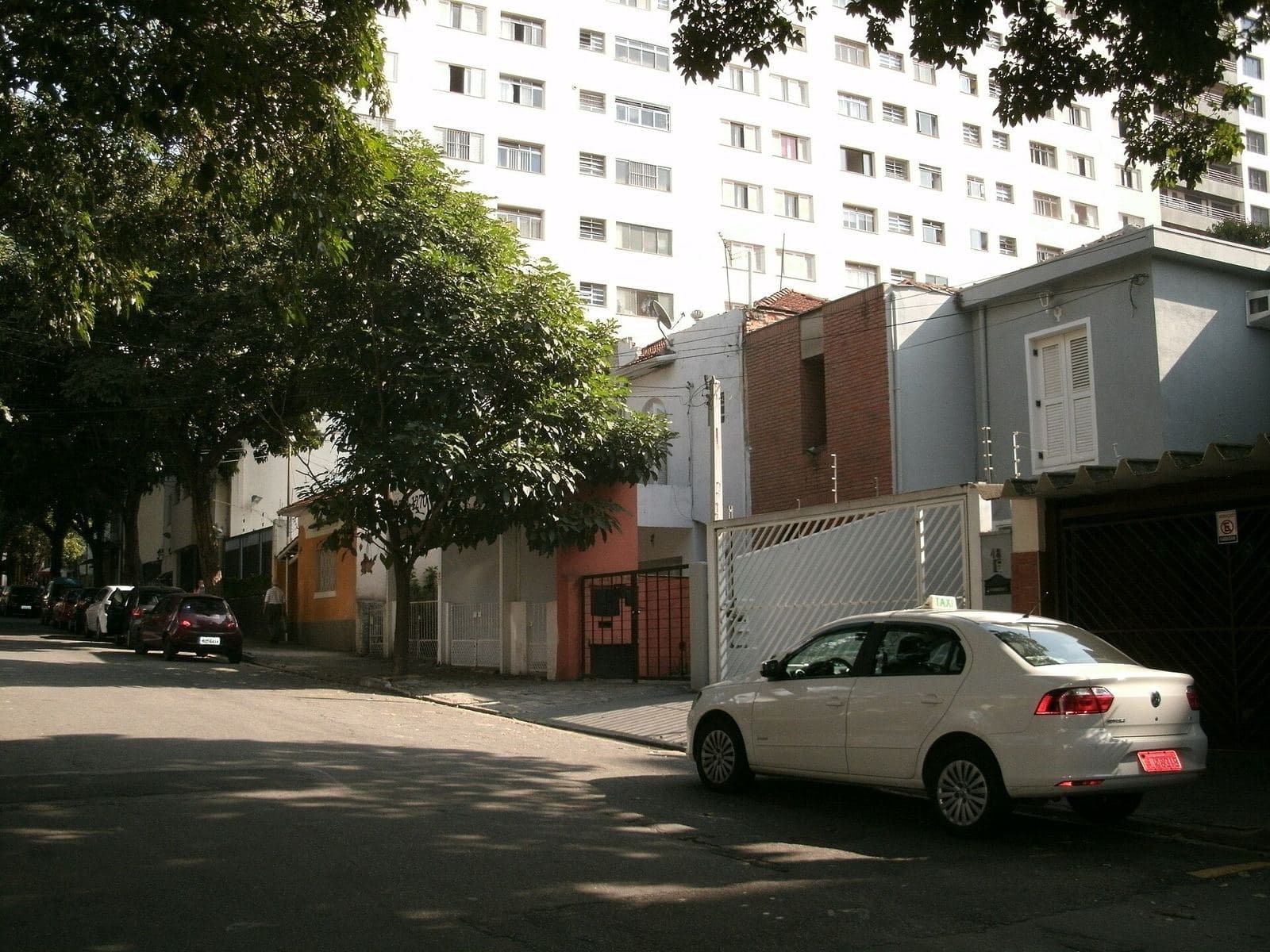
University life has a clear address in the area: the Monte Alegre Campus of PUC-SP is a historic reference that draws families and students nearby, sustaining a constant flow of young people without changing the residential character of the surroundings.
Mobility also works in its favour. Barra Funda and Sumaré metro stations are minutes away, and roads such as Avenida Sumaré and Avenida Pacaembu connect the neighbourhood to the rest of the city without giving up the quiet of its inner streets.
Living in Perdizes is today an equation few São Paulo neighbourhoods solve: tradition, trees, leading schools and mobility, all within the same perimeter.
Sources
- https://www.saopauloinfoco.com.br/historia-perdizes/
- https://auxiliadorapredial.com.br/blog/perdizes-sao-paulo/
- https://pt.wikipedia.org/wiki/Perdizes_(bairro_de_S%C3%A3o_Paulo)
Photos · Cover: Perdizes and Parque da Água Branca. Parlapatá / Wikimedia Commons, CC BY-SA 4.0