By Editorial Hunter House · 19 October 2026
The story begins in 1911 with the creation of Companhia City, short for The City of São Paulo Improvements and Freehold Land Company, a firm backed by English capital that assembled large tracts of land in the west of the city. Its first development was Jardim América, conceived in the mid-1910s from a layout by Barry Parker and Raymond Unwin, the English architects behind Letchworth, England's first garden city, and Hampstead Garden Suburb in London.
Parker did not stay on paper. Between February 1917 and January 1919 he lived in São Paulo and worked for the City, studying the site at close range, revising the neighbourhood's design and drawing houses for it. The period is documented in a doctoral thesis at the University of São Paulo devoted to the projects he left in the city.
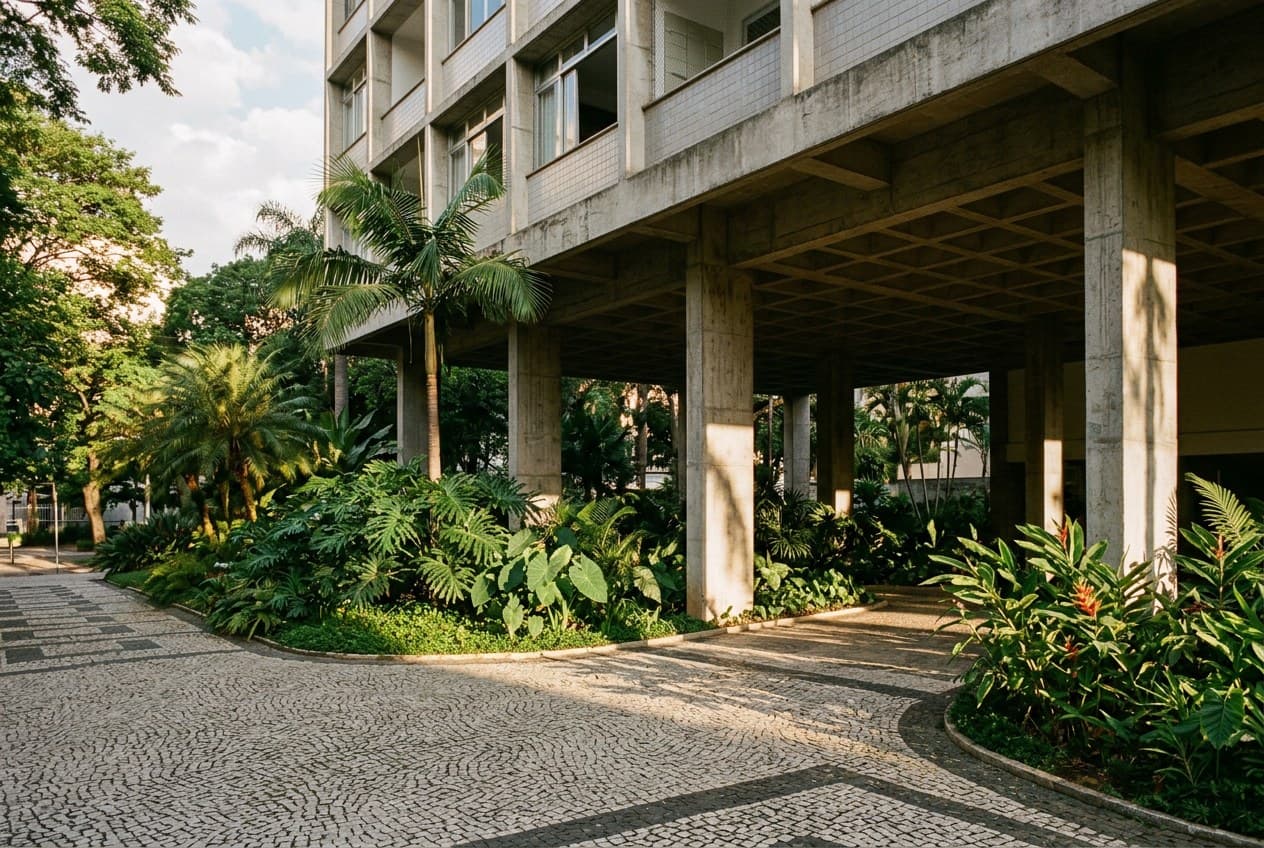
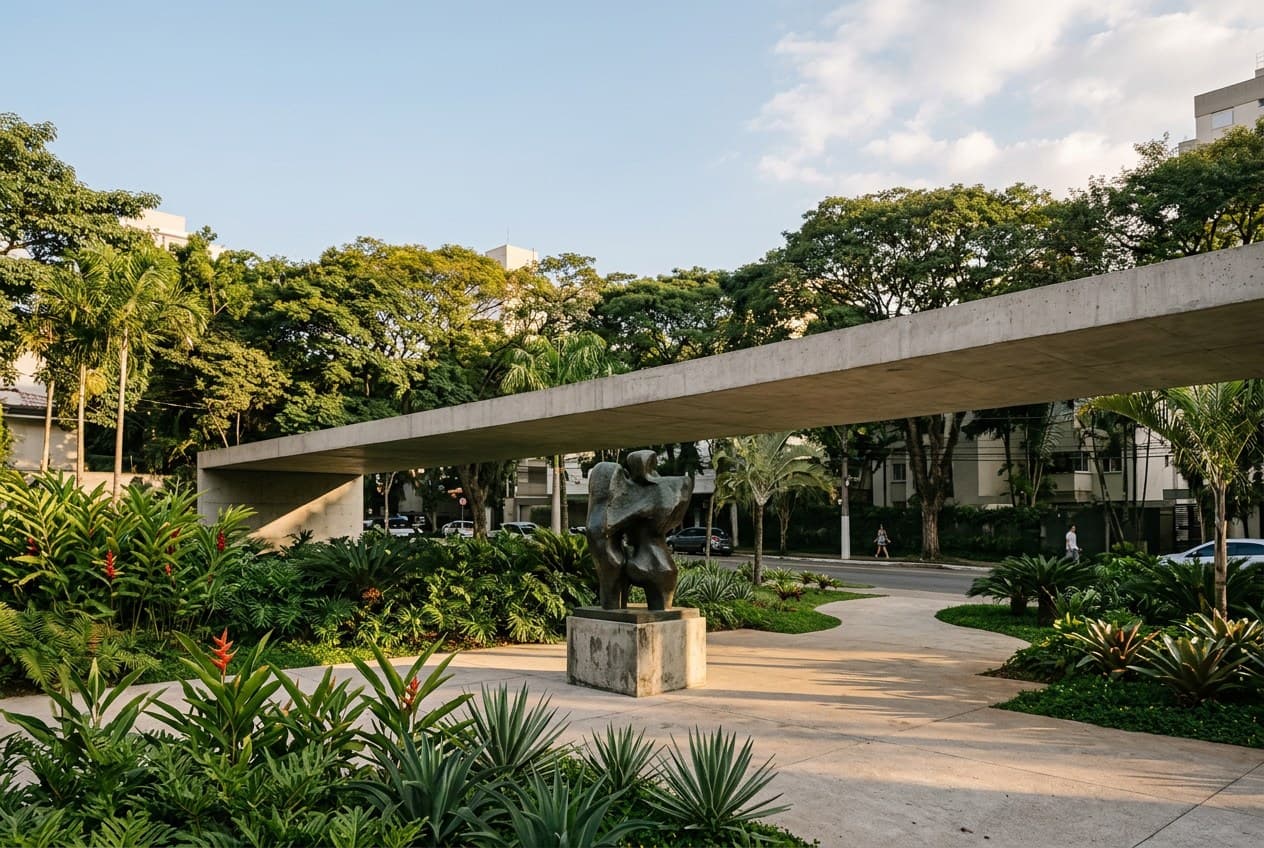
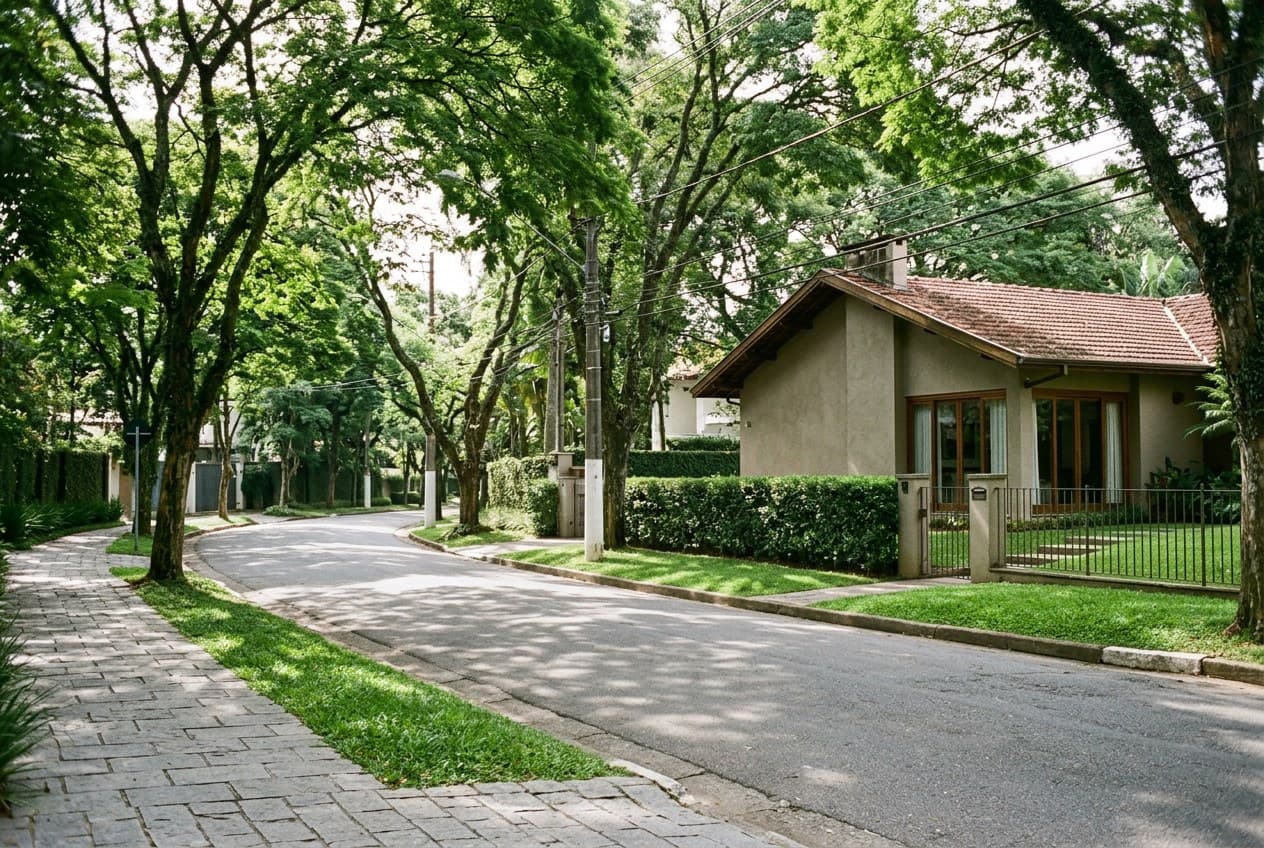
The layout that came out of that stay broke with the grid that dominated São Paulo. Curved and diagonal streets form blocks of varying sizes, some streets end in small cul-de-sacs and, in certain blocks, the plan provided for interior gardens. Plots are large and setbacks generous, so that the private greenery of the houses and the public greenery of the pavements end up blending together.
The idea came from the garden city movement, which in early twentieth-century England proposed neighbourhoods with the calm of the countryside and the closeness of the city. In São Paulo it met a climate in which trees grow fast and canopies close over the street, and the result matured in a way its authors may not have imagined.
In 1986 Condephaat, the state heritage body, listed Jardim América together with Jardim Europa, Jardim Paulista and Jardim Paulistano, the group the city came to call the Jardins. The listing helped preserve the street layout, the trees and the residential character that still set the neighbourhood apart.
The effect is felt in daily life. Jardim América lies a few minutes from Avenida Paulista, Rua Oscar Freire and the museums of Avenida Europa, yet inside it the pace is different, and walks happen in the shade, block after block.
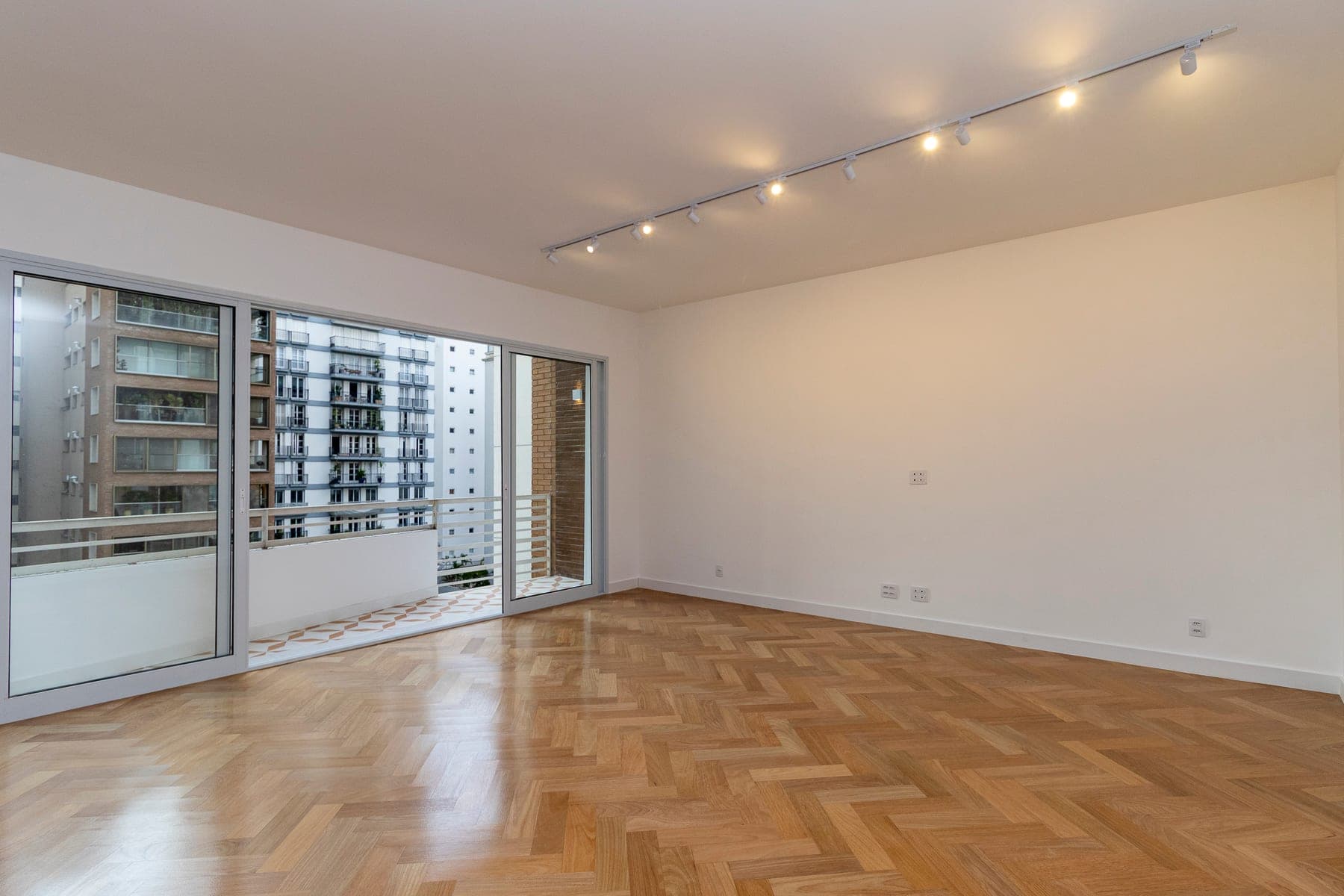
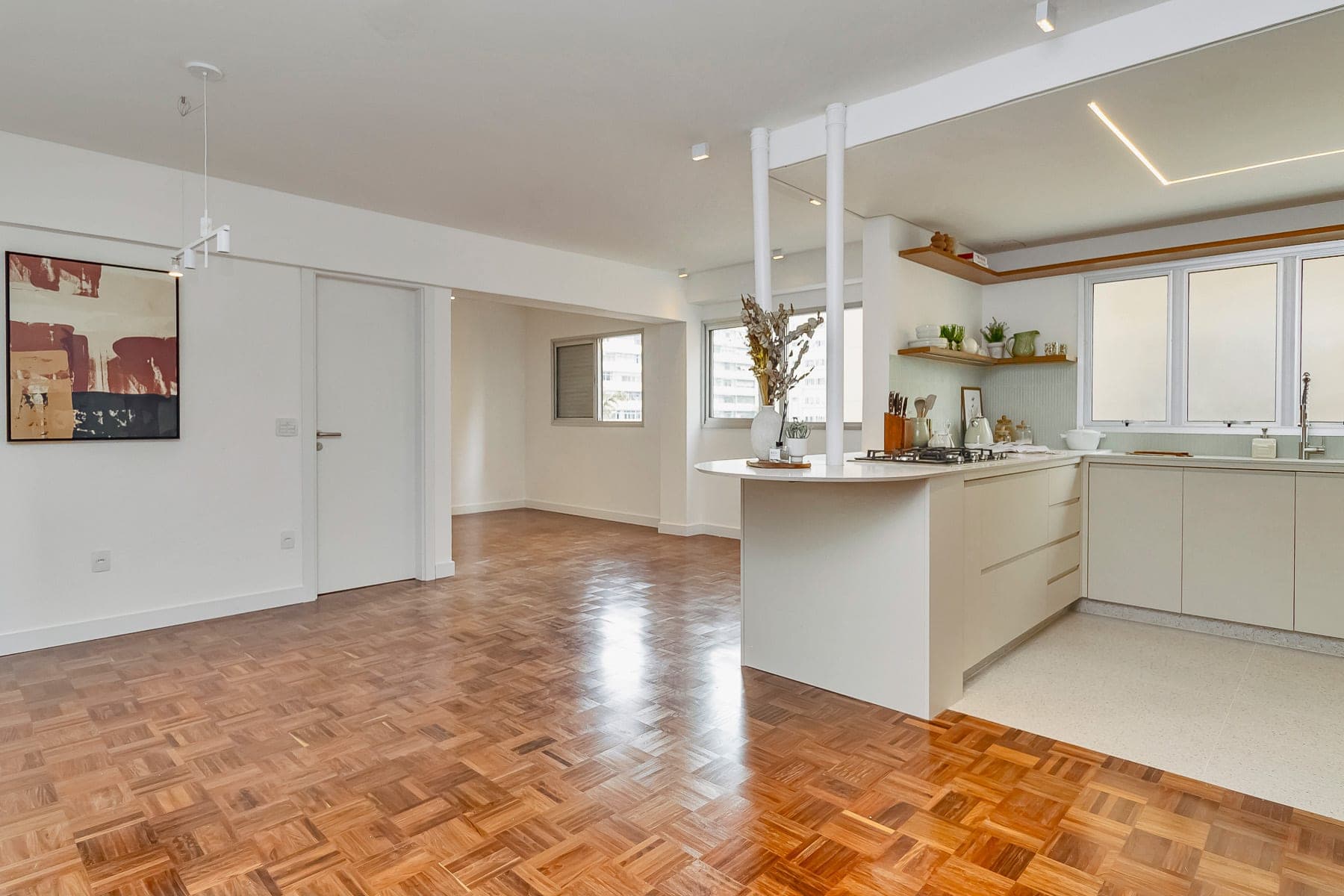
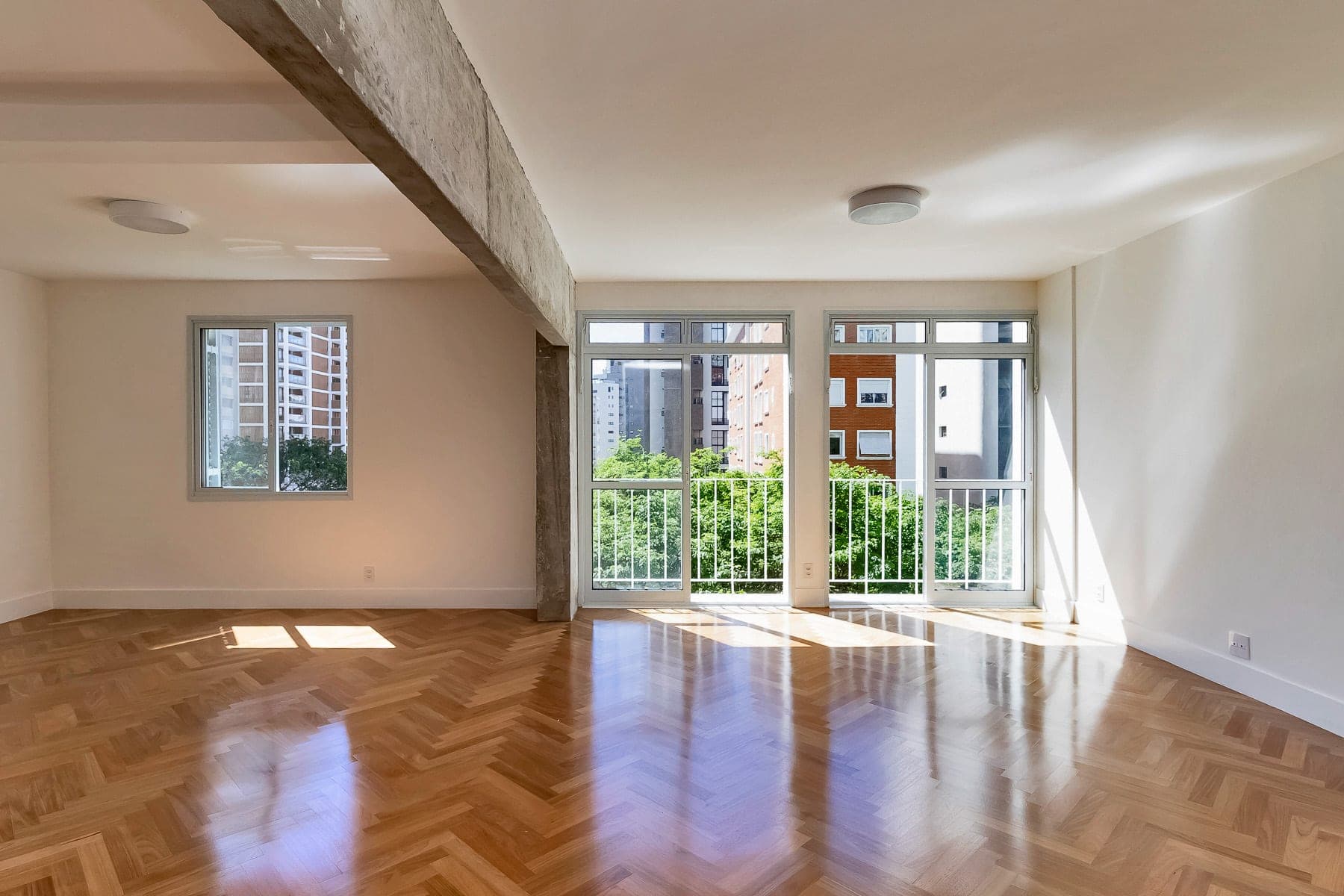
On the edges of the neighbourhood and in the neighbouring streets of the Jardins, residential buildings offer another way to live this design, with views over the canopy that Parker and Unwin's design allowed to grow and the whole city within reach of the door.
Sources
- https://www.gazetasp.com.br/cotidiano/memoria-jardim-america-o-primeiro-bairro-jardim-de-sao-paulo/1117738
- https://www.worldgardencities.com/garden-cities/jardim-américa-são-paulo-brazil
- https://www.teses.usp.br/teses/disponiveis/16/16131/tde-31102022-175426/?lang=en
- https://anais.anpur.org.br/index.php/anaisenanpur/article/download/2269/2248
- https://ricardomartini.substack.com/p/city
- https://periodicos.usp.br/cpc/article/download/119588/127832/250403
- https://www.irib.org.br/?p=103676
Photos · Cover: Illustrative AI-generated image, Editorial Hunter House